
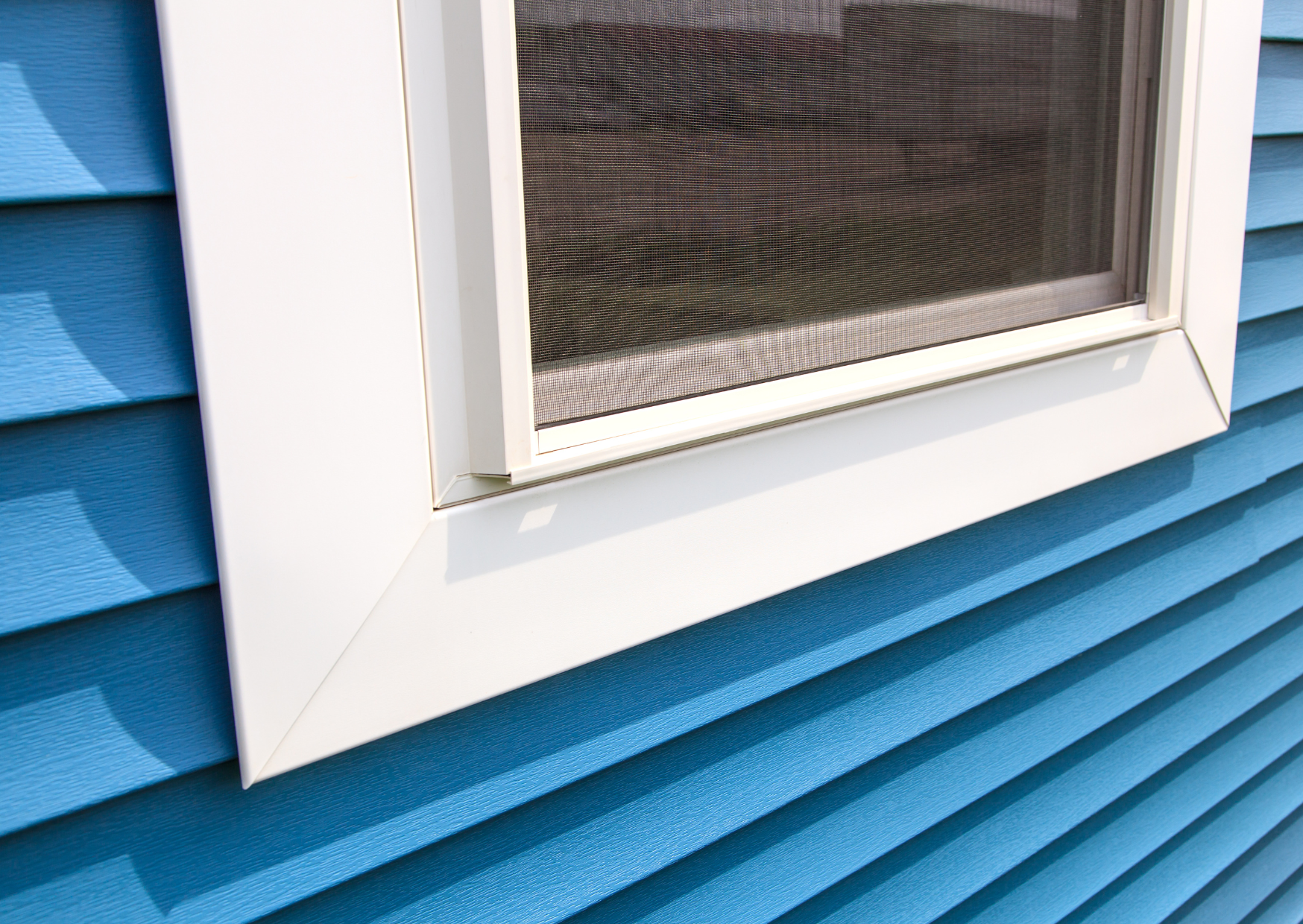
Siding is one of those projects where the quote depends heavily on what is happening behind the panels, along with the material, home size, access, labor, and overall project scope. Two contractors can bid the "same" job thousands of dollars apart, and most of the time neither one is wrong. They're just pricing different scopes, often based on assumptions about what they'll find once the old siding comes down.
Siding replacement costs can vary from one home to another because every project has a different mix of materials, labor, removal work, access, and hidden repair needs. The ranges below are meant to help you understand the main cost factors, not replace an on-site estimate from a contractor who can inspect your home in person.
Quick Answer: How Much Does Siding Replacement Cost?
Many siding replacement projects fall into a broad range, often around $5,500 to $25,000 or more depending on home size, material, labor, access, removal, permits, and hidden damage, with installed costs often ranging from about $3 to $12 per square foot for vinyl, about $4 to $13 for engineered wood, and about $7 to $18 for fiber cement. Vinyl usually sits at the lower end, engineered wood often falls in the middle, fiber cement typically runs higher, and the final number can change if removal reveals damaged sheathing, moisture problems, or other hidden repair needs.
What Siding Replacement Cost Actually Includes (and What It Doesn't)
An installed siding quote usually bundles several things together, and not every contractor itemizes them the same way.
Typically included:
The siding material itself, plus trim pieces and accessories
Removal and disposal of the old siding
House wrap or moisture barrier installation
Standard flashing around windows and doors
Labor to install and finish the job
Often left out unless specifically requested:
Repairing rotted or damaged sheathing found underneath
Upgrading trim around windows and doors to match new siding
Paint or stain work on trim pieces
Building permits, where required by the city or county, and HOA approvals, where required by the neighborhood.
If new trim is part of the plan, it helps to understand the visual impact of trim on its own before bundling it into the siding budget. A detailed, itemized quote is worth the extra few minutes it takes a contractor to prepare. It's the difference between a number you can trust and one that grows once the crew starts tearing off the old panels.
Average Cost by Siding Material (Vinyl vs. Fiber Cement vs. Engineered Wood)
Material is the single biggest lever on siding replacement cost.
Vinyl: The most budget-friendly option and the most common choice for straightforward replacements. Lower maintenance, but fewer premium finish options.
Fiber cement: Fiber cement typically runs higher than vinyl and offers strong resistance to many weather, rot, insect, and fire concerns, but it can still crack, chip, or need maintenance if impacted, poorly installed, or exposed to moisture issues. Many homeowners treat it as the durability upgrade worth paying for.
Engineered wood: Gives you a wood-look exterior with better rot resistance than traditional wood, usually priced between vinyl and fiber cement.
Choosing material on price alone is a common regret. A cheaper material that fails early can cost more over time than paying up front for a material and installation approach built for longer-term performance. Labor cost shifts with material too. Denser materials like fiber cement take longer to cut and fasten correctly, which shows up as a higher labor line even before the material cost difference is factored in.
What Pushes Northern Colorado Prices Higher
A few local factors move siding replacement cost above national averages.
Hail and wind exposure: materials and fastening methods designed for tougher weather may cost more than baseline products, but they can improve durability through the storms this area sees regularly.
Sun exposure: UV-resistant finishes can help protect color and reduce early fading, especially on south- and west-facing walls.
Temperature swings: freeze-thaw cycles stress seams and fasteners, so installation technique matters as much as material choice.
None of that means you're stuck paying a premium for every project. It means products and methods suited for Northern Colorado weather may cost more than bargain options, but they can help reduce the risk of premature wear, repairs, and callbacks. It's a similar story with local deck replacement pricing, where the same weather that ages a wall exterior also drives up material specs for anything left exposed outdoors. None of these factors are optional extras. They're what makes a siding job actually last here instead of needing attention again in a handful of years.
What Most Siding Quotes Leave Out
One of the biggest gaps between an initial estimate and a final bill can come from what is found underneath the old siding, not just the new material itself.
Once the old panels come off, it's common to find soft or water-damaged sheathing, especially around window corners and lower wall sections where moisture collects. That repair work isn't something any contractor can price accurately without seeing it, which is why a wide range on your first quote is normal, not a red flag. It's a similar dynamic with energy-efficient window costs, where the real number often depends on what's found once installation actually starts. A good contractor will explain how they'd handle that discovery and roughly what it could add, rather than staying quiet about it until it happens.
Quote Comparison Checklist
When quotes come in far apart, use these questions to compare them on equal footing:
Does the quote include removal and disposal of the old siding?
Is house wrap or moisture barrier included, or priced separately?
How is hidden sheathing damage handled if it's found?
What's the warranty on materials versus labor?
Are permits included, and who pulls them?
A cheaper bid that skips half of this list may not be cheaper once missing scope items, repairs, permits, or disposal are added back in. It's just missing information you'll end up paying for later, usually mid-project when it's harder to walk away.
Final Thoughts on Siding Replacement Cost
Siding replacement cost comes down to three things: material, home size, and what's found once the old siding is off. Get a few itemized quotes, run them through the checklist above, and leave room in the budget for whatever's hiding behind the old panels. If you're planning more than one exterior project this year, it's worth seeing a full exterior transformation before you commit to a scope. Call Country Construction at 970-566-3833 or fill out our online form for a free estimate.