
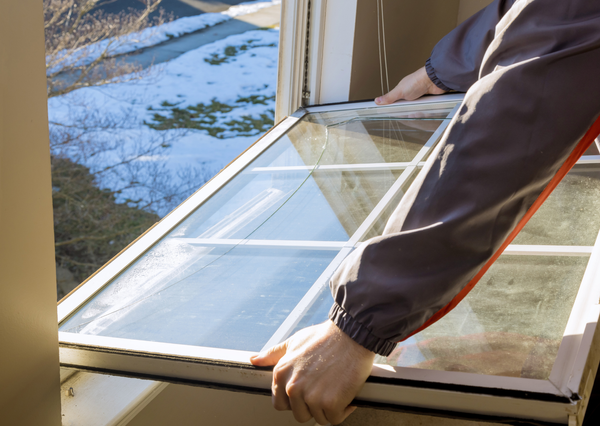
How Much Does It Cost to Replace Windows?
Replacing windows sounds simple until you realize the cost isn’t just about the glass and the frame. It’s about what your house needs, what you’re upgrading to, and what we discover once the old window comes out. If you’ve ever gotten two wildly different quotes and thought, “How can both be right?” you’re not alone. In this guide, we’ll break down the real drivers behind window replacement pricing, the benefits of doing it the right way, and the top mistakes that quietly inflate budgets.
"The pricing information on this page is provided for general educational purposes only, and window replacement costs can vary widely based on factors like window type, materials, structural condition, access, code requirements, and installation complexity, so the examples and ranges shared here are meant to explain how pricing typically works, not to serve as a guaranteed quote."
Quick Answer
Most homeowners can expect window replacement cost to land somewhere between $300 and $2,500 per window installed, depending on the window type, materials, and installation complexity. The biggest swing factors are whether you need an insert or full-frame replacement, how much labor access is involved, and whether there’s hidden damage around the opening.
What “Window Replacement Cost” Actually Includes (And What It Doesn’t)
When people talk about window replacement cost, they’re usually quoting an “installed price,” which bundles materials and labor together. But not every quote means the same thing, and that’s where a lot of top mistakes start.
Typically included in an installed window replacement price:
The new window unit (frame, sash, basic hardware)
Removing the old window and disposing of it
Setting the new window, shimming, fastening, and basic insulation/foaming
Standard exterior sealing and weatherproofing steps
Often not included unless spelled out:
Repairing rot, water damage, or framing issues
Resizing openings or structural adjustments
New interior casing, trim upgrades, paint or stain work
Permits or code-driven upgrades (like egress requirements)
One of the biggest benefits of a detailed quote is fewer surprises once work begins.
Average Cost Ranges by Material (Vinyl vs Fiberglass vs Wood)
Material choice is one of the fastest ways to move your window replacement cost up or down. Think of it like boots: the cheapest pair works until it doesn’t, and the premium pair costs more but may fit your life better long-term. Here are practical tips and considerations for the three most common materials:
Vinyl: Usually the most budget-friendly option. It’s low maintenance and popular for straightforward replacements. The tradeoff is fewer color and style options, and not every vinyl line handles big temperature swings the same way.
Fiberglass: Typically higher cost than vinyl, but it’s stable, strong, and holds up well in tough weather. If you want durability without the upkeep of wood, this is often the “pay more now, worry less later” lane.
Wood: Often the highest cost due to craftsmanship and customization. Wood can look great and fit older homes beautifully, but it asks more from you in maintenance to stay in good shape.
A common top mistake is choosing material based on price alone, then regretting the upkeep or performance later.
Cost Ranges by Window Type and Complexity
Window style matters more than most people expect. It’s not just a design choice, it changes how the window is built, how it opens, and how long it takes to install. That all feeds into your overall window replacement cost.
Here’s the simple way we frame it: the more moving parts, size, and custom work involved, the more the price tends to climb.
Common types and what usually drives their pricing:
Single-hung and double-hung: Often the most straightforward replacements, so pricing is usually more predictable.
Casement and awning: Seals can be excellent, but hardware and installation can be a bit more involved.
Sliders: Simple operation, but large openings and alignment matter.
Picture/fixed windows: No moving parts, but larger glass areas can raise material cost.
Bay/bow windows: These can jump quickly due to structural support, trim work, and complexity.
One of the benefits of knowing your window types upfront is comparing quotes without guessing what’s being priced.
The Biggest Price Drivers Homeowners Underestimate
If you’ve ever heard a quote and thought, “That can’t be right,” it usually comes down to a few hidden levers. These are the spots where top mistakes happen, not because you’re careless, but because nobody explained the fine print.
Biggest drivers that move the needle:
Insert vs. full-frame replacement: Inserts can be cheaper and faster, but full-frame is often needed if the frame is damaged, out of square, or leaking.
Condition behind the trim: Rot, water damage, or soft framing doesn’t show up in photos, but it shows up fast once the old unit comes out.
Access and height: Second-story installs, steep grades, or tight landscaping can add labor and equipment time.
Glass and performance upgrades: Triple-pane, laminated glass, or privacy glass can raise cost quickly.
Season and lead times: Busy seasons can limit options or affect scheduling.
A good set of tips and considerations here is to assume some “unknowns” and keep a small contingency, so you’re not scraping the barrel mid-project.
“Quote Comparison Checklist”
When you’re staring at two bids that are hundreds or thousands apart, it’s tempting to just pick the cheaper one and move on. That’s one of the top mistakes we see, because “cheaper” sometimes means “less included.” Use this checklist to compare apples to apples and keep the window replacement cost from sneaking up on you.
Questions to ask each contractor:
Is this an insert install or a full-frame replacement, and why?
What is the exact window line/model, glass package, and hardware included?
How are you handling flashing, sealing, and insulation around the opening?
If rot or damage is found, how is that priced and approved?
Does the quote include interior/exterior trim, disposal, and cleanup?
Are permits required here, and if so, who handles them?
What’s the payment schedule and your change-order process?
The benefit of a detailed checklist is simple: fewer “Wait…that wasn’t included?” moments.
Energy Savings, Comfort, and ROI (What’s Realistic)
New windows can deliver real benefits, but it helps to keep your expectations on a leash. You might notice fewer drafts, steadier indoor temps, less outside noise, and fewer condensation issues. Those quality-of-life wins are often the most immediate.
Energy savings are trickier. Your “payback” depends on what you’re replacing (single-pane vs newer double-pane), how leaky the old windows were, your climate, and how you heat and cool your home. In other words, the cost doesn’t always come marching back to you through lower bills.
Tips and considerations for thinking about ROI:
Prioritize windows in the rooms you use most.
Fix obvious air leaks during install, not “later.”
Don’t overbuy performance you don’t need for your climate.
Rebates and Tax Credits (And How to Check Eligibility)
Rebates and tax credits can take some sting out of the window replacement cost, but this is where top mistakes happen fast, usually because people assume “energy-efficient” automatically means “eligible.” It doesn’t.
Here’s the practical way to approach it:
Start with the window’s documentation. Look for labels and paperwork tied to verified performance ratings, not just marketing language.
Check current federal rules. Window-related credits have specific limits and requirements, and those can change over time.
Confirm the exact product line qualifies. One series from a brand may qualify while another doesn’t.
Keep everything. Save receipts, manufacturer certifications, and model numbers.
The benefit of doing this upfront is you won’t get to tax time and realize you bought the “almost qualifies” option.
“Budget Builder” Example: Estimating Your Project in 5 Minutes
If you want a quick ballpark without playing guessing games, we like a simple back-of-the-napkin estimate. It won’t replace a real quote, but it will keep your expectations grounded and give you solid tips and considerations for planning.
Step 1: Count and categorize your windows
Small (bathrooms, basements)
Standard (most bedrooms/living areas)
Large or specialty (picture, bay, bow)
Step 2: Pick a material lane
Vinyl tends to be the lower-cost baseline
Fiberglass usually lands mid-to-high
Wood often sits at the premium end
Step 3: Add complexity flags
Second story or tricky access
Full-frame replacement
Higher chance of rot or water damage
Step 4: Add a cushion
Plan an extra 10–20% for surprises. One of the top mistakes is budgeting to the dollar and leaving no room to breathe.
Final Thoughts on the Cost To Replace Windows
Window replacement cost comes down to details: what you’re installing, what you’re installing into, and how thorough the plan is. For the best results, gather three itemized quotes, use the checklist above, and budget a little flexibility to avoid the top mistakes.
If you want a clear, no-nonsense next step, reach out to Country Construction for a window replacement estimate. We’ll walk your home with you, talk through the real-world benefits and tradeoffs, and give you straightforward tips and considerations you can use, even if you’re still comparing options.